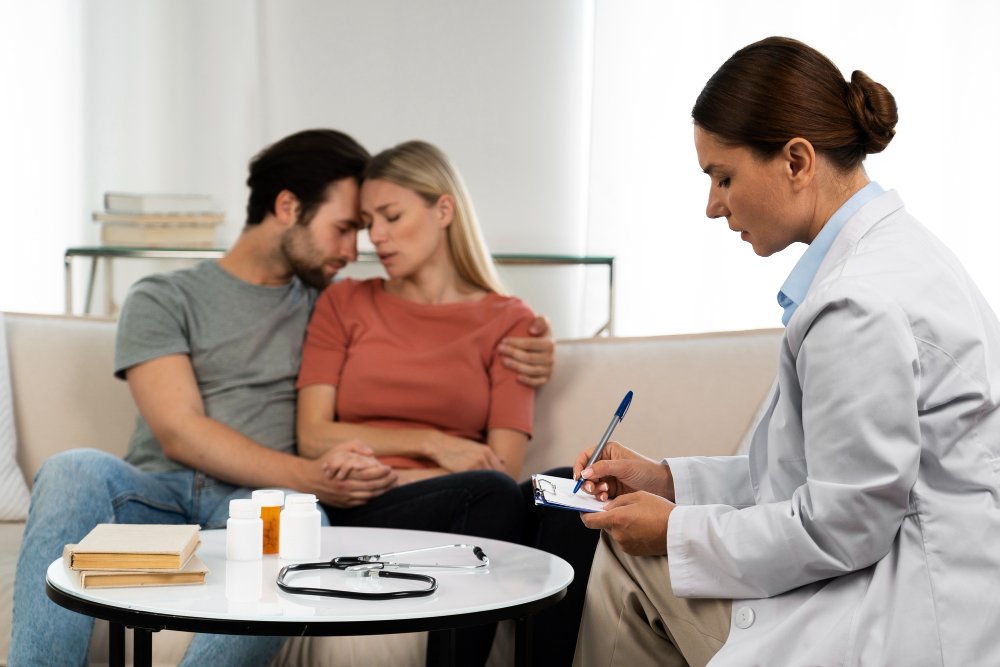
Many people are searching for new ways to improve fertility. PRP for fertility is a treatment that uses your own blood to help your body. Understanding the PRP fertility treatment process can help you decide if it is right for you. This guide explains how PRP works, who may benefit, and what to expect during the process.
What is PRP Therapy for Fertility?
PRP stands for Platelet-Rich Plasma. It is a part of your blood that is rich in special cells called platelets. These platelets help heal and repair tissues. In fertility treatment, doctors use PRP to support the ovaries or uterus. For example, PRP for female infertility may help women who have thin uterine lining or poor egg quality. According to recent studies, PRP is being explored as a new option for fertility support (PubMed).
How Does PRP Work in Fertility Treatment?
PRP works by using your body’s own healing power. First, doctors take a small amount of your blood. Then, they spin it in a machine to separate the platelets. After that, the rich plasma is injected into the ovaries or uterus. This may help improve tissue health and function. As a result, it could increase the chances of pregnancy. However, more research is still needed to know how well it works for everyone.
Step-by-Step: The PRP Process for Fertility
Knowing the PRP fertility treatment process can help you feel more comfortable. Here are the main steps:
Each step is done with safety in mind. The process usually takes less than two hours.
Who May Benefit from PRP for Fertility?
PRP for fertility may help certain people. For example, it may be considered for:
However, not everyone is a good candidate. Therefore, it is important to talk with a fertility specialist. They can help decide if PRP is right for you.
Safety, Risks, and Considerations
PRP uses your own blood, so the risk of allergy is low. Still, as with any procedure, there are some risks. For instance, you may feel mild pain or swelling at the injection site. Rarely, infection or bleeding can occur. According to the CDC, all medical procedures carry some risk (CDC). Before starting, your doctor will explain the risks and answer your questions. Always share your full medical history with your care team.
What to Expect: Results and Follow-Up
After PRP treatment, you may need to wait a few weeks to see results. Some women notice changes in their menstrual cycle or uterine lining. Others may need more than one treatment. Your doctor will monitor your progress with tests or ultrasounds. Because results can vary, it is important to have realistic expectations. If you have questions, your care team is there to help.
In summary, PRP for fertility is a new and promising option. However, it is not right for everyone. Consult a fertility specialist to learn if PRP therapy is right for you.