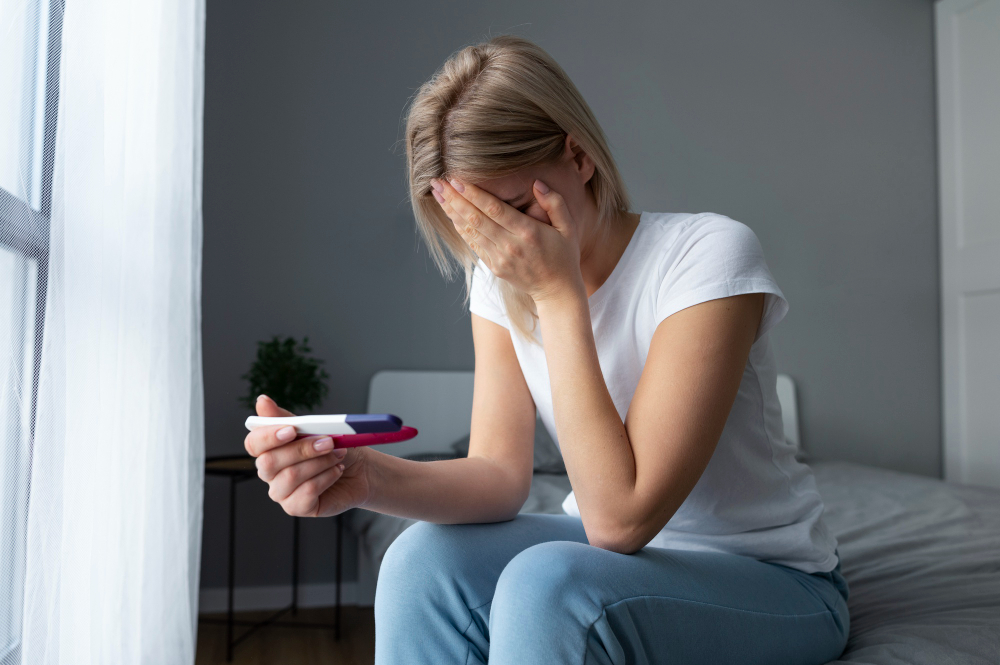
What is Female Infertility?
Female infertility means a woman has trouble getting pregnant after trying for at least one year. Sometimes, women may also have trouble staying pregnant. In fact, the causes of female infertility can be complex. Many women wonder why they experience infertility. There are several common reasons for infertility in women. Understanding these causes can help you know when to seek help and what steps to take next.
Common Causes of Female Infertility
Many factors can affect a woman’s ability to get pregnant. Some causes are easy to treat, while others may need more care. Below are the most common reasons women face infertility:
According to the World Health Organization (WHO), about 15% of couples worldwide face infertility. In nearly half of these cases, female factors play a role.
Hormonal and Ovulation Disorders
First, many women have trouble with ovulation. Ovulation is when the ovary releases an egg each month. If this does not happen, pregnancy cannot occur. Hormonal problems are a leading cause of female infertility. For example, polycystic ovary syndrome (PCOS) is a common condition. PCOS affects hormone levels and can stop ovulation. Another cause is thyroid disorders, which can make periods irregular. Sometimes, high levels of a hormone called prolactin can also prevent ovulation.
According to the CDC, ovulation problems cause about 25% of female infertility cases.
Structural Problems and Blockages
Next, some women have physical problems that affect the uterus or fallopian tubes. These structures are important for pregnancy. If they are blocked or damaged, the egg and sperm cannot meet. For instance, scar tissue from past infections or surgeries can block the fallopian tubes. Endometriosis is another condition where tissue grows outside the uterus. This can cause pain and make it hard to get pregnant. Uterine fibroids, which are non-cancerous growths, can also block the uterus or tubes.
According to the American Society for Reproductive Medicine, tubal problems cause about 20% of female infertility cases.
Lifestyle and Environmental Factors
In addition, lifestyle choices can affect fertility. Smoking, drinking too much alcohol, and using drugs can lower the chances of getting pregnant. Being overweight or underweight can also cause problems with ovulation. Stress may not directly cause infertility, but it can affect hormone levels. Exposure to harmful chemicals at work or home can also play a role.
Making healthy lifestyle changes can improve fertility for many women.
Age and Fertility
Age is another important factor. As women get older, their fertility naturally decreases. After age 35, the number and quality of eggs drop quickly. This makes it harder to get pregnant. According to the CDC, women in their late 30s and 40s have a lower chance of pregnancy each month compared to younger women. While some women can still get pregnant later in life, the risks of miscarriage and birth problems also increase with age.
When to See a Doctor
It is important to know when to seek help. If you are under 35 and have tried to get pregnant for one year without success, see a doctor. If you are 35 or older, see a doctor after six months of trying. Also, talk to your doctor sooner if you have irregular periods, severe pain during periods, or a history of pelvic infections or surgery. Early help can improve your chances of finding a solution.
Prevention and Lifestyle Tips
While not all causes of female infertility can be prevented, some steps may help lower your risk:
These healthy habits can support your overall well-being and may improve your fertility.
Consult a fertility specialist for personalized advice and support.